10 Garden Decor Ideas with Beautiful Planters
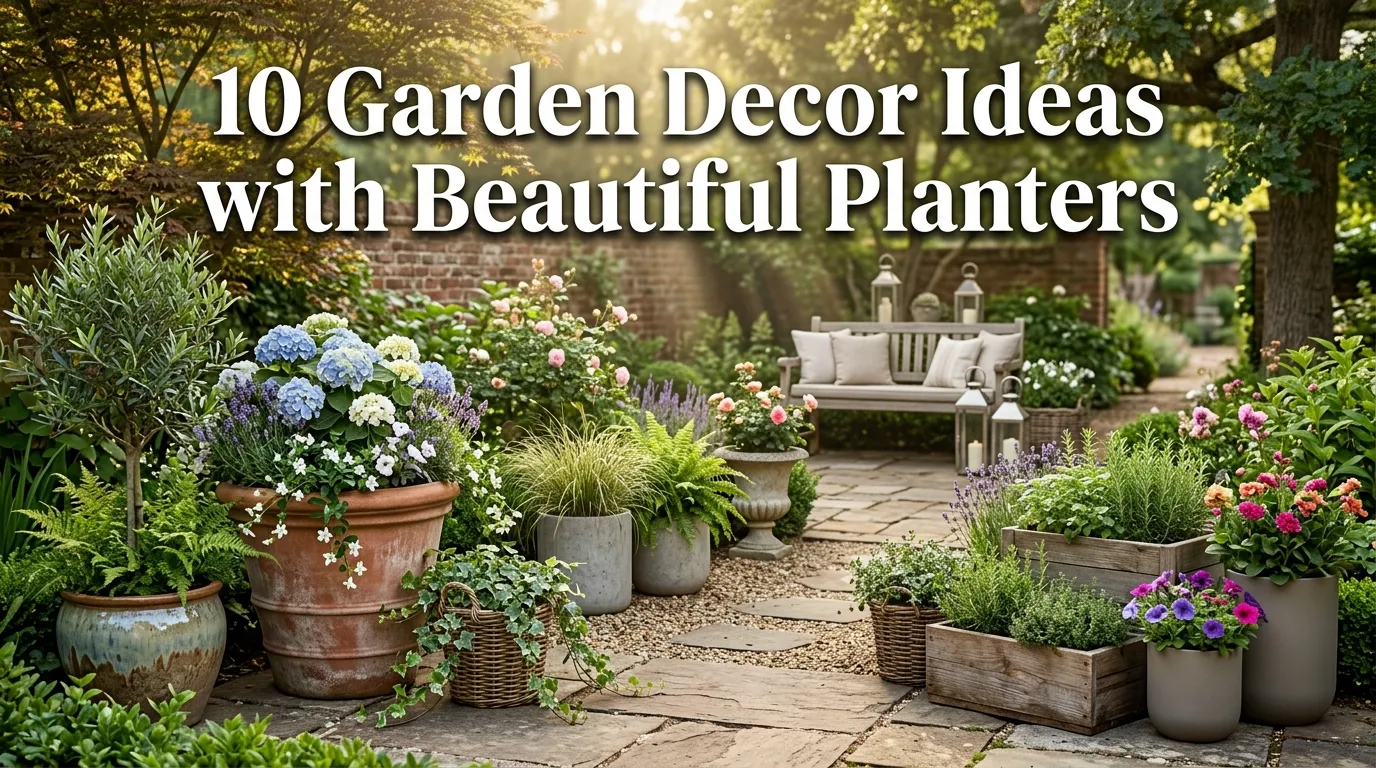
A beautiful garden is not only created through flowers and greenery—it is also shaped by the details that surround them. Planters have the unique ability to transform outdoor spaces by adding structure, personality, and style while turning ordinary corners into inviting garden retreats.
Many homeowners focus only on choosing plants but overlook the decorative impact of the containers holding them. In my experience, the right planter can completely change how a garden feels. A simple collection of greenery becomes much more intentional when paired with elegant ceramic pots, rustic wooden containers, modern concrete planters, or charming vintage-inspired designs.
Garden décor with beautiful planters works for every type of outdoor space, whether you have a large backyard, a small patio, a balcony garden, or a simple front porch. The key is choosing planters that complement your home’s style while creating balance with your plants and outdoor furniture.
One thing that works especially well is combining different heights, textures, and materials. Tall planters can add drama near entryways, while smaller pots create cozy arrangements on tables, steps, or shelves. Natural materials like terracotta, stone, wood, and woven textures bring warmth, while sleek modern containers create a contemporary look.
A thoughtfully designed planter arrangement can also make gardening easier. The right containers allow you to grow herbs, flowers, greenery, and even small trees in spaces where traditional garden beds are not possible. They provide flexibility while adding decorative beauty throughout the seasons.
In this guide, you’ll discover 10 Garden Decor Ideas with Beautiful Planters that combine practical gardening solutions with stylish outdoor design. These ideas will help you create a garden space that feels welcoming, organized, and full of personality—whether you prefer modern landscaping, cozy cottage style, or natural outdoor living.
Table of Contents
1. Layered Planter Arrangements
Create beautiful garden displays by combining different planter sizes and heights.
2. Terracotta Pot Styling
Add timeless warmth with classic clay planters and natural textures.
3. Modern Concrete Planters
Bring contemporary elegance with sleek architectural containers.
4. Vertical Planter Walls
Maximize small spaces with creative vertical greenery displays.
5. Wooden Planter Boxes
Create charming outdoor features with warm natural materials.
6. Colorful Flower Containers
Add seasonal beauty through vibrant planted arrangements.
7. Entryway Planter Designs
Make a welcoming first impression with stylish front door planters.
8. Herb Garden Planters
Combine beauty and function with practical edible gardens.
9. Rustic Vintage Planters
Create character with weathered and collected garden containers.
10. Statement Large Planters
Add drama with oversized containers and dramatic greenery.
1. Layered Planter Arrangements
Quick Benefits
- Creates visual depth
- Makes gardens feel professionally designed
- Works in small and large spaces
- Highlights different plant varieties
- Adds movement and structure
Why It Works
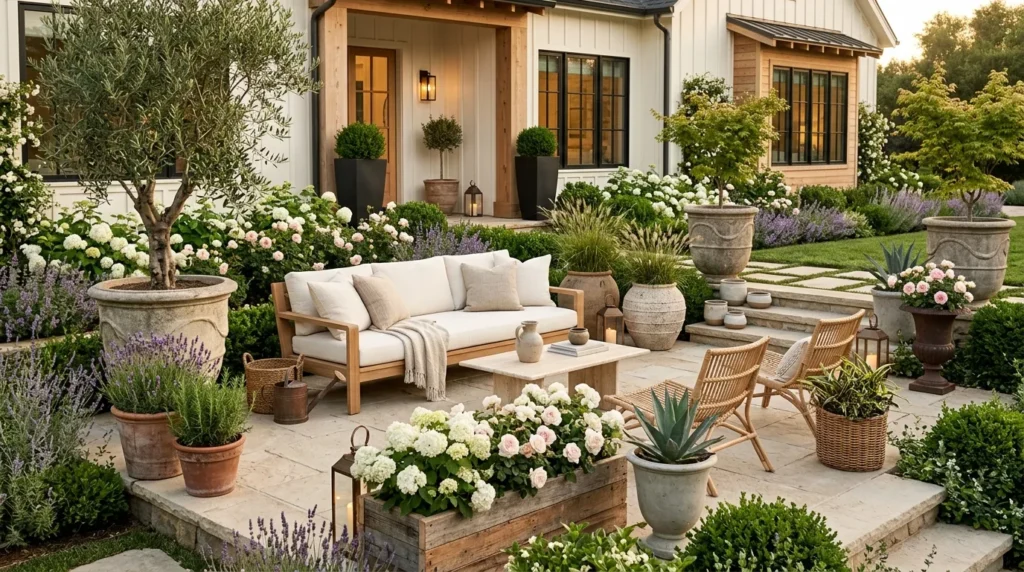
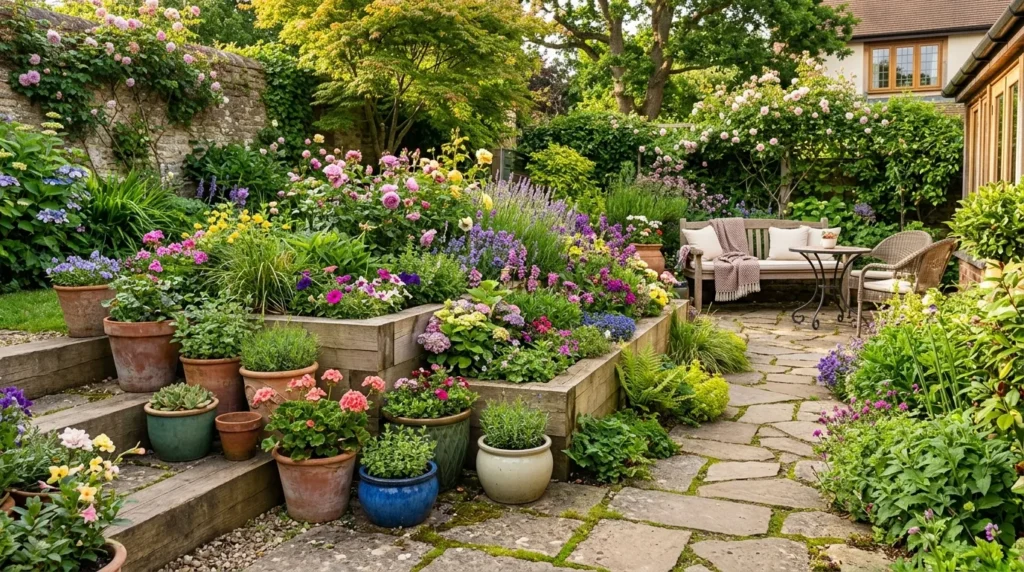
Layering planters is one of the easiest ways to create a designer-inspired garden without major landscaping changes. By combining containers of different heights, shapes, and textures, you create a more dynamic arrangement that naturally draws the eye.
I’ve noticed that gardens often feel more polished when plants are displayed at different levels instead of sitting in a single row. Similar to interior decorating, outdoor spaces benefit from layers that create dimension and balance.
Designers use this technique because it allows each plant to stand out while creating a cohesive overall look. A tall planter can provide height, medium containers can fill the middle area, and smaller pots can add charming details in the foreground.
This approach also makes it easier to refresh your garden throughout the seasons. You can swap flowers, herbs, or greenery while keeping the overall structure of the display.
The key is creating harmony rather than simply collecting random pots. Choose planters that share similar colors, materials, or design styles so the arrangement feels intentional.
How To Style It
Start by selecting three different planter heights: tall, medium, and small. Place the tallest container toward the back or beside a wall, then layer smaller pots in front to create a natural flow.
Combine different plant shapes for contrast. Use tall grasses or ornamental plants in larger pots, rounded shrubs in medium containers, and trailing flowers in smaller planters.
Mix materials carefully. Pair terracotta with woven baskets for a warm look, or combine concrete planters with modern greenery for a contemporary style.
For patios or decks, group planters near seating areas to create a cozy garden atmosphere. Add outdoor lighting around the arrangement to highlight textures and create a beautiful evening setting.
2. Terracotta Pot Styling
Quick Benefits
- Adds natural warmth
- Creates timeless garden charm
- Works with many plant styles
- Ages beautifully over time
- Provides an earthy outdoor feel
Why It Works
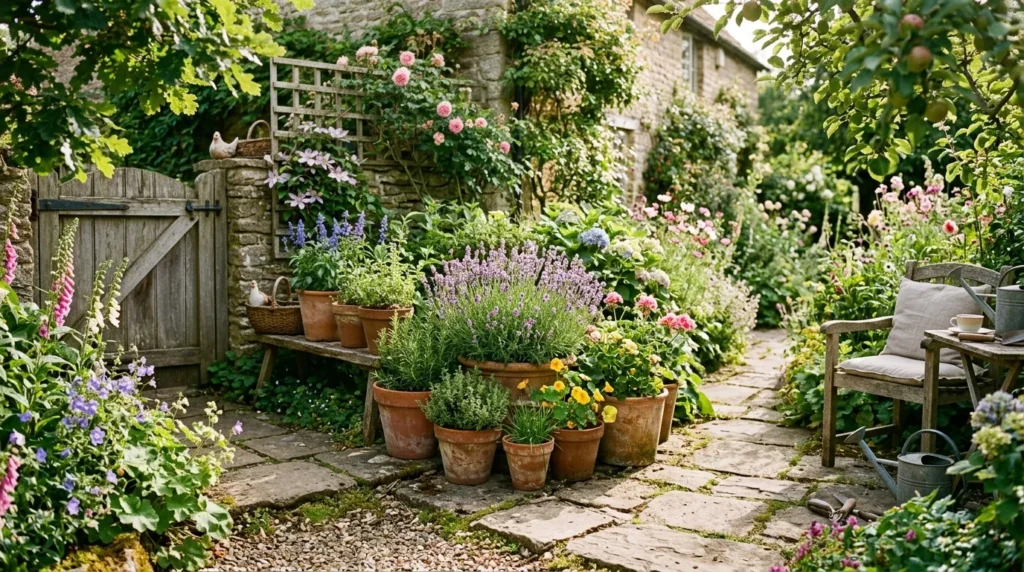
Terracotta planters have remained popular for generations because they bring warmth and character to outdoor spaces. Their natural clay color blends beautifully with flowers, herbs, and greenery, creating a classic garden appearance that never feels outdated.
In my experience, terracotta pots are one of the easiest ways to make a garden feel more inviting. Their warm orange and earthy tones create a connection with nature and complement almost every landscaping style, from Mediterranean gardens to cozy cottage spaces.
The beauty of terracotta comes from its imperfections. As the pots age, they develop a weathered appearance that adds personality and charm. This makes them especially appealing for homeowners who want a garden that feels established rather than newly installed.
Terracotta also works well because it provides a neutral background that allows plants to become the main attraction. Whether filled with colorful flowers or simple greenery, these planters create a naturally beautiful display.
How To Style It
Arrange terracotta pots in groups instead of placing them separately throughout the garden. Collections of different sizes create a more collected and designer-inspired appearance.
Use matching pots for a classic Mediterranean look, or mix different shapes and finishes for a relaxed cottage garden style. Add plants such as lavender, rosemary, succulents, geraniums, or trailing vines.
Place terracotta containers along pathways, garden steps, patios, or window areas where their warm tones can enhance the surroundings.
Pair them with natural materials like stone, wood, and gravel to create a cohesive outdoor design. Woven baskets, wooden stands, and vintage garden accessories can add even more charm.
3. Modern Concrete Planters
Quick Benefits
- Creates a contemporary garden look
- Adds architectural interest
- Provides durability
- Works beautifully with greenery
- Complements modern homes
Why It Works
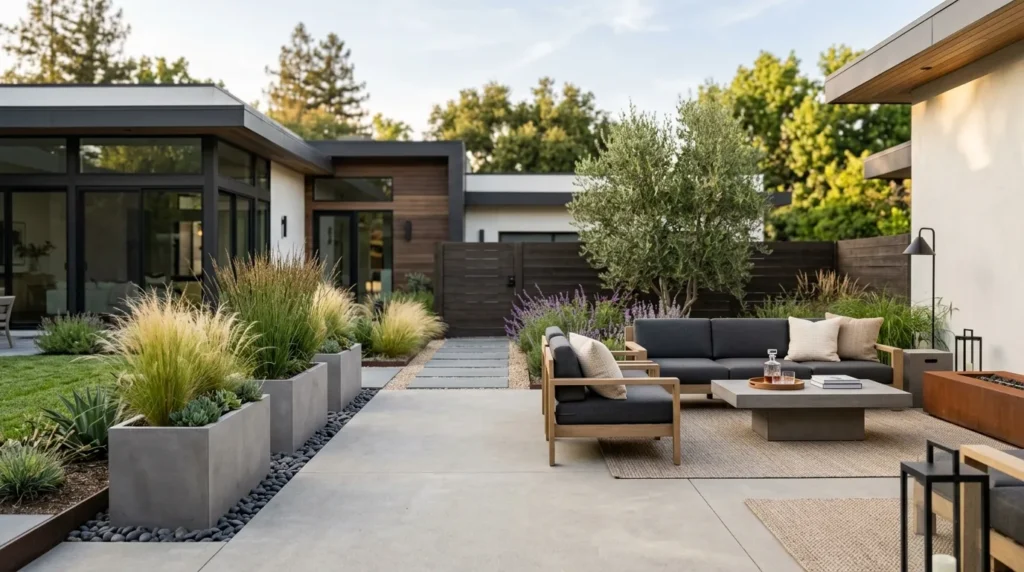
Concrete planters bring a clean, modern aesthetic to outdoor spaces while creating a strong contrast against soft greenery. Their simple shapes and neutral tones make plants appear more dramatic and allow the natural beauty of foliage to become the focus.
I’ve seen modern gardens transformed simply by replacing traditional containers with sleek concrete planters. The material adds structure and creates a sophisticated appearance without requiring complicated landscaping.
Concrete works especially well in contemporary outdoor designs because it combines durability with minimalist style. The natural gray tones complement many colors, including deep greens, white flowers, and colorful seasonal plants.
Another advantage is versatility. Concrete planters can work on patios, balconies, entryways, and large gardens. They can create symmetry in formal spaces or add contrast to softer, organic landscapes.
The goal is balancing the strength of the material with the softness of plants.
How To Style It
Choose geometric concrete planters with clean lines for a modern appearance. Pair them with architectural plants such as ornamental grasses, succulents, bamboo, or sculptural greenery.
Place large concrete containers near entrances or outdoor seating areas to create strong focal points. For smaller spaces, use compact concrete pots on tables, shelves, or balcony corners.
Balance the cool appearance of concrete with warmer elements like wooden furniture, woven outdoor rugs, or natural stone pathways.
For a high-end landscaping look, repeat the same planter style throughout the space while varying the plants. This creates a cohesive design that feels intentional and professionally styled.
4. Vertical Planter Walls
Quick Benefits
- Saves valuable outdoor space
- Adds greenery to small areas
- Creates a living artwork feature
- Maximizes planting opportunities
- Makes walls and fences more attractive
Why It Works
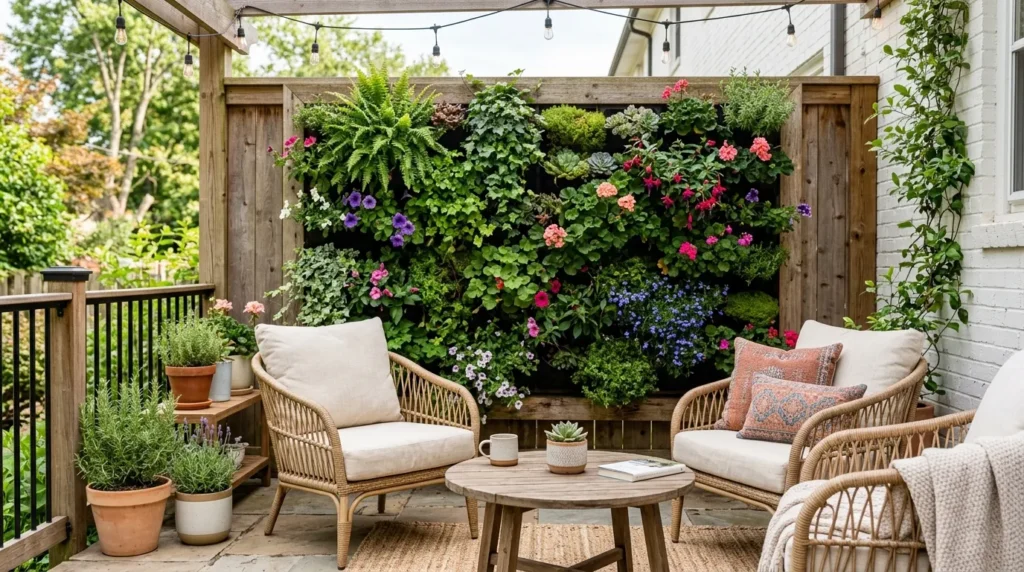
Vertical planter walls are a beautiful solution for homeowners who want more greenery without needing a large garden area. By using vertical space, you can transform plain walls, fences, balconies, and patios into vibrant living displays.
In my experience, vertical gardens are especially useful for smaller outdoor spaces where traditional planting beds are limited. They create the feeling of a lush garden while using very little floor space.
Designers often use vertical planters because they add height and movement to outdoor areas. Instead of looking at an empty wall, you create a layered backdrop filled with texture, color, and natural beauty.
Vertical planting also allows you to experiment with different combinations of flowers, herbs, and greenery. A carefully designed wall can become the main feature of a patio or backyard, similar to how an accent wall works indoors.
The key is choosing plants that match your sunlight conditions and arranging them in a way that feels balanced rather than overcrowded.
How To Style It
Install vertical planter boxes, hanging pots, or modular garden systems along fences, exterior walls, or balcony railings. Choose materials that match your outdoor style, such as wood for rustic gardens or metal frames for modern spaces.
For a lush appearance, combine trailing plants, leafy greenery, and colorful flowers. Plants like ivy, ferns, petunias, herbs, and succulents work beautifully depending on your location and lighting.
Create visual balance by mixing different plant textures. Pair delicate flowers with larger leaves to add depth and interest.
Add outdoor lighting around the vertical planter wall to highlight the greenery in the evening. A softly illuminated garden wall can create a cozy and inviting atmosphere for outdoor entertaining.
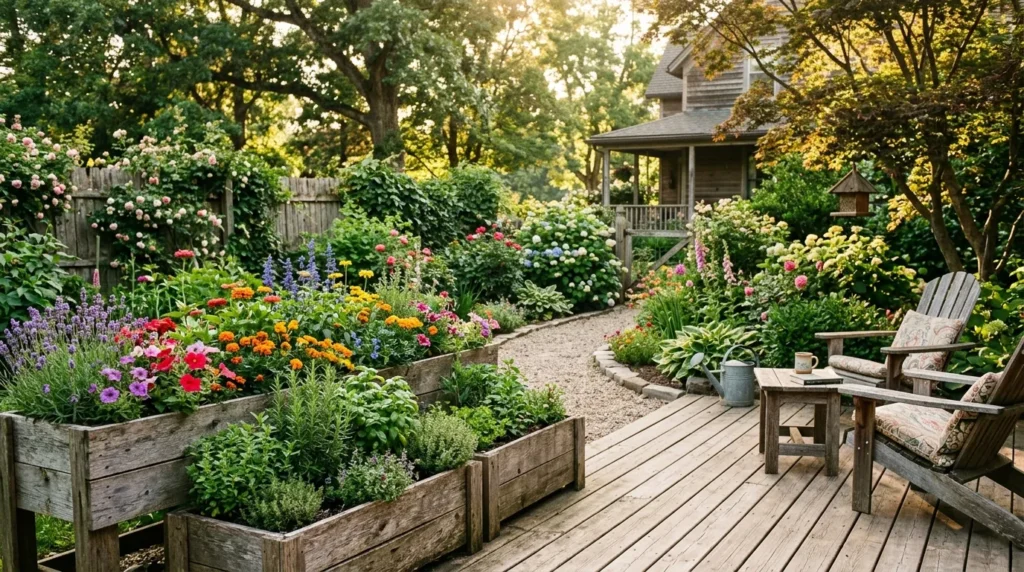
5. Wooden Planter Boxes
Quick Benefits
- Adds natural warmth
- Creates a charming garden feature
- Works for flowers and vegetables
- Complements outdoor spaces beautifully
- Provides flexible planting options
Why It Works
Wooden planter boxes bring warmth and character to gardens while creating a connection with natural surroundings. Their organic texture makes outdoor spaces feel more welcoming and comfortable.
I’ve noticed that wooden planters are especially popular because they work with nearly every garden style. Whether you prefer farmhouse landscaping, cottage gardens, modern outdoor spaces, or rustic patios, wood adds timeless appeal.
Unlike some manufactured materials, wood develops personality over time. Weathered finishes can create a charming aged appearance, while stained or painted versions can provide a cleaner, more polished look.
Wooden planters are also practical because they can be customized to fit specific spaces. They work well along fences, patios, decks, and walkways while providing plenty of room for flowers, herbs, and vegetables.
The most beautiful designs combine the warmth of wood with soft greenery, creating a balanced outdoor environment.
How To Style It
Use long wooden planter boxes along fences or deck edges to create a natural border. Fill them with colorful seasonal flowers, ornamental grasses, or cascading plants for a fuller appearance.
For a farmhouse-inspired garden, choose weathered wood finishes and pair them with galvanized metal accessories. For a modern look, use smooth wood with simple lines and neutral outdoor furniture.
Place smaller wooden containers near seating areas to create cozy garden corners. Add herbs like basil, mint, rosemary, or thyme for a garden feature that is both beautiful and useful.
Protect wooden planters with outdoor sealants to help them last longer. The right care allows them to remain attractive while developing a beautiful natural character.
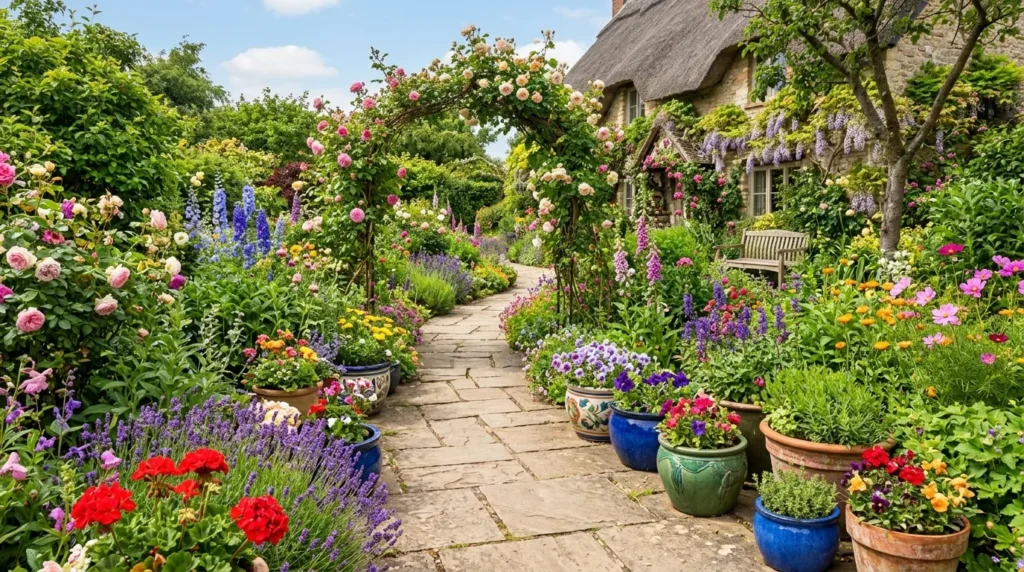
6. Colorful Flower Containers
Quick Benefits
- Adds seasonal personality
- Creates vibrant focal points
- Brightens outdoor areas
- Allows easy design changes
- Makes gardens feel welcoming
Why It Works
Colorful flower containers are one of the simplest ways to bring energy and personality into an outdoor space. Unlike permanent landscaping, container gardens allow you to refresh your garden’s appearance with each season.
In my experience, flowers in beautiful planters create some of the biggest visual impact for the smallest effort. A simple patio, porch, or balcony can instantly feel more cheerful with thoughtfully arranged blooms.
The secret to elegant flower containers is not choosing the most colors possible—it is creating combinations that feel intentional. Designers often use the “thriller, filler, and spiller” method, where one taller plant creates height, fuller plants add volume, and trailing plants soften the edges.
This technique creates a balanced arrangement that looks professionally designed while remaining easy for homeowners to recreate.
Flower containers also allow you to experiment with different styles, from romantic cottage gardens to modern minimalist arrangements.
How To Style It
Choose a color palette before planting. Soft whites, blush tones, and lavender create a romantic garden feel, while bright yellows, pinks, and reds create a more energetic outdoor look.
Use containers that complement your home exterior. Neutral planters allow colorful flowers to stand out, while decorative pots can become part of the overall design.
Combine flowers with greenery to create more depth. Plants with interesting leaves help maintain beauty even when flowers are not blooming.
Place colorful containers near entrances, outdoor dining areas, or seating spaces where they can be enjoyed daily. Rotate seasonal flowers throughout the year to keep your garden feeling fresh and inviting.
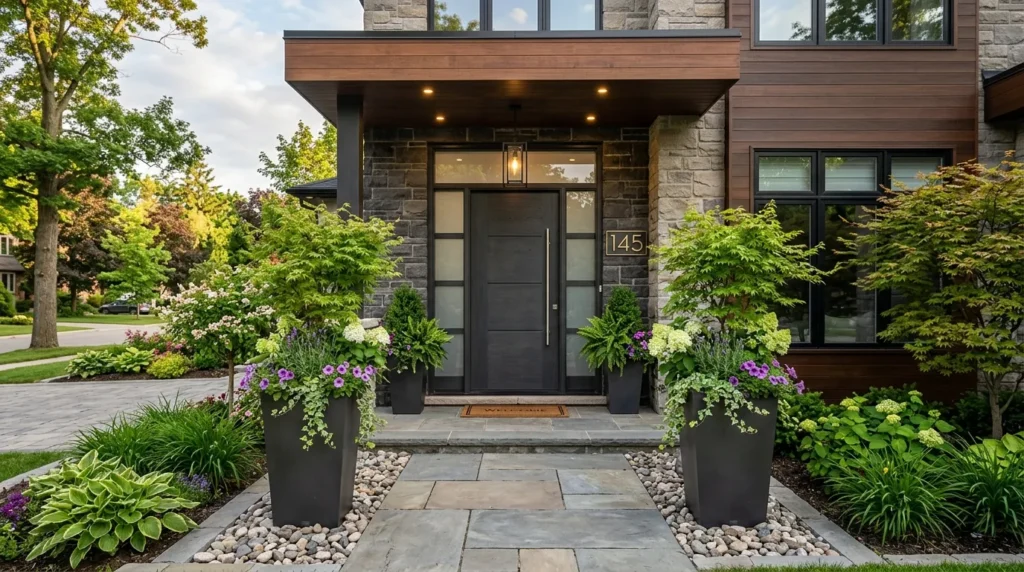
7. Entryway Planter Designs
Quick Benefits
- Creates a welcoming entrance
- Enhances curb appeal
- Adds symmetry and balance
- Makes outdoor spaces feel finished
- Highlights architectural features
Why It Works
The entryway is one of the first areas people notice, making it the perfect place to use beautiful planters as decorative features. Well-designed entrance planters create a warm welcome and make a home feel more thoughtfully styled.
I’ve noticed that symmetrical planter arrangements near doors often create an immediate sense of elegance. This design technique is commonly used by landscape designers because balance naturally feels pleasing to the eye.
Entryway planters also help connect outdoor landscaping with the home’s architecture. The right containers can highlight door colors, exterior materials, and surrounding details.
Large planters near an entrance add height and structure, while smaller arrangements create charm around steps and pathways.
The best entryway designs feel intentional but not overly complicated. A few beautiful containers with healthy plants can create a much stronger impression than a crowded display.
How To Style It
Place matching tall planters on both sides of your front door for a classic and elegant appearance. Use evergreen plants, ornamental grasses, small trees, or seasonal flowers depending on your style.
For a modern home, choose simple concrete or metal planters with sculptural greenery. For farmhouse or cottage homes, terracotta, wood, or vintage-inspired containers create a warmer look.
Add seasonal touches such as flowering plants in spring, greenery in summer, pumpkins in fall, or evergreen branches in winter.
Keep the arrangement proportional to your entryway. Large doors benefit from taller planters, while smaller entrances look better with compact containers that do not overwhelm the space.
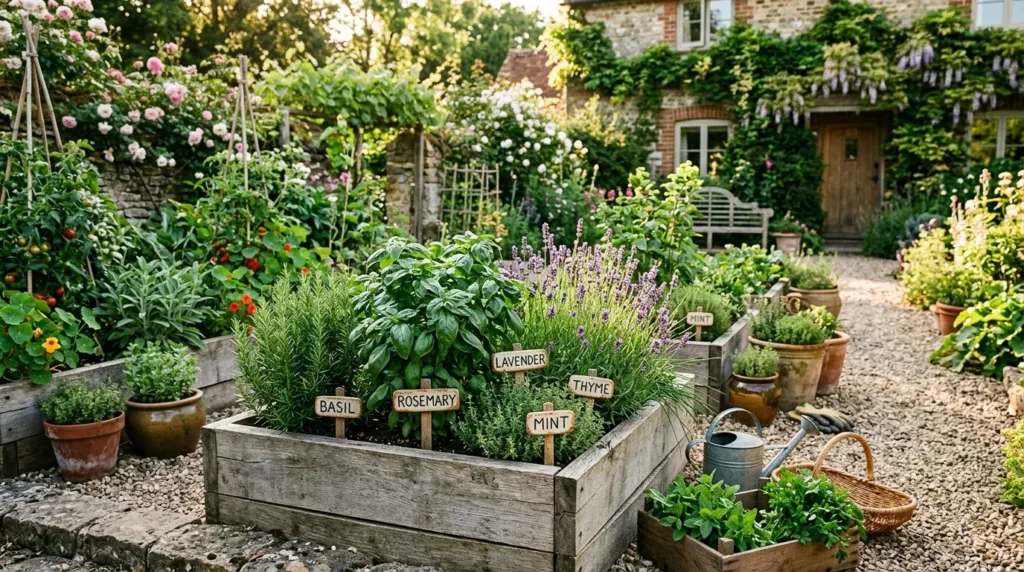
8. Herb Garden Planters
Quick Benefits
- Combines beauty and functionality
- Provides fresh herbs at home
- Works in small outdoor spaces
- Adds natural fragrance
- Creates a charming garden feature
Why It Works
Herb garden planters are a perfect example of how outdoor décor can be both beautiful and practical. Instead of choosing plants only for appearance, herbs allow you to create a garden feature that adds texture, fragrance, and everyday usefulness.
In my experience, herb planters are especially rewarding because they encourage people to spend more time outdoors. A small collection of fresh herbs near a kitchen door or patio creates a connection between gardening and daily living.
Herbs naturally have attractive shapes and textures. Plants like rosemary, thyme, basil, lavender, and mint can create a lush appearance while adding wonderful scents to your outdoor space.
Designers often include edible plants in decorative gardens because they create a more personal and functional environment. A beautiful planter filled with herbs can look just as stylish as a flower arrangement while providing something useful in return.
The key is organizing herbs in a way that feels intentional and matches your garden style.
How To Style It
Choose containers with good drainage and group herbs together based on their sunlight and watering needs. Wooden boxes, terracotta pots, ceramic containers, and raised planters all work beautifully.
Create a kitchen garden feel by placing herb planters near outdoor cooking areas, patios, or entryways. Add small labels or decorative markers for a charming organized look.
Combine different textures by mixing upright herbs like rosemary with softer trailing plants like thyme. This creates a fuller and more visually interesting arrangement.
For a farmhouse-inspired design, use wooden planter boxes with rustic details. For a modern garden, choose sleek containers in neutral colors and keep the arrangement simple.
9. Rustic Vintage Planters
Quick Benefits
- Adds personality and charm
- Creates a collected garden look
- Brings timeless character
- Works beautifully with flowers
- Makes outdoor spaces feel unique
Why It Works
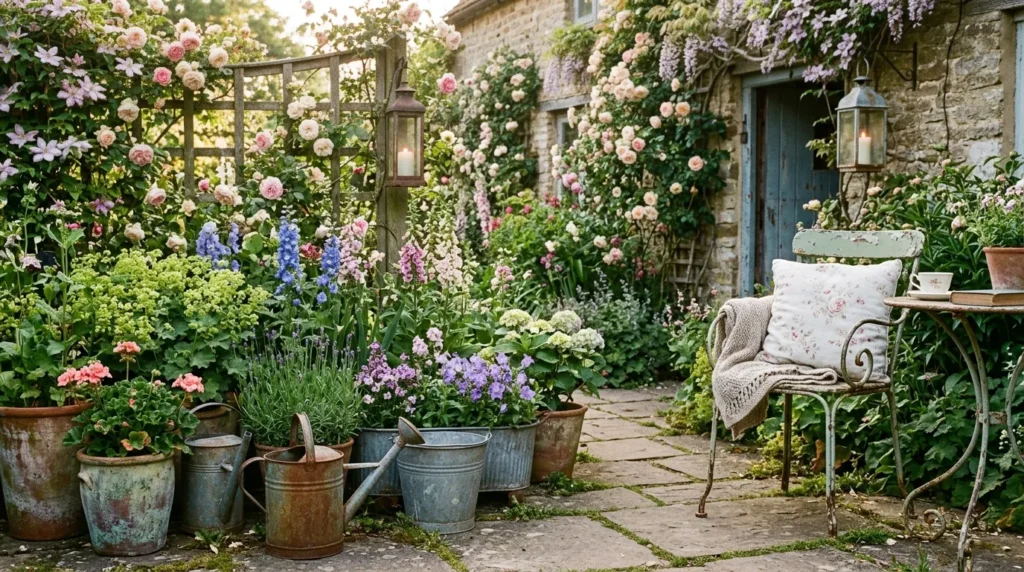
Rustic vintage planters bring a sense of history and personality to gardens. Unlike perfectly matching modern containers, vintage-inspired pieces create a relaxed, collected appearance that feels warm and welcoming.
I’ve noticed that outdoor spaces often feel more memorable when they include elements that look like they have a story. Weathered finishes, aged textures, and unique containers add character that cannot always be achieved with brand-new décor.
Vintage planters work especially well in cottage gardens, farmhouse landscapes, and cozy outdoor spaces because they create a natural, lived-in feeling. They blend beautifully with flowers, climbing plants, and greenery.
The beauty of rustic design comes from imperfection. Slightly worn finishes, faded colors, and aged materials add charm while making the garden feel established.
The goal is creating a balanced arrangement where vintage elements enhance the plants rather than distract from them.
How To Style It
Use vintage-inspired containers such as old metal buckets, wooden crates, antique-style ceramic pots, or weathered stone planters. Make sure any repurposed container has proper drainage before planting.
Pair aged planters with romantic flowers like roses, hydrangeas, lavender, or trailing vines for a classic garden appearance.
Create a charming corner by grouping different vintage containers together. Mix sizes and shapes while keeping a similar color story so the arrangement feels coordinated.
Add finishing touches like a vintage garden chair, wooden ladder display, lanterns, or a small outdoor table nearby. These details help create a cozy garden retreat with personality.
10. Statement Large Planters
Quick Benefits
- Creates dramatic focal points
- Adds height and structure
- Enhances outdoor architecture
- Makes spaces feel luxurious
- Works beautifully in large and small gardens
Why It Works
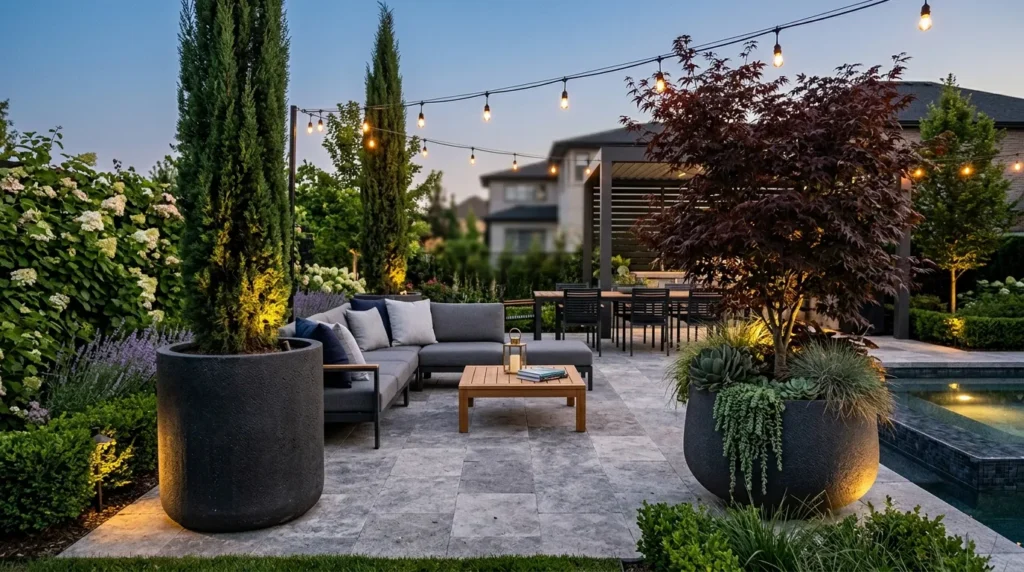
Large statement planters are one of the easiest ways to create a high-end garden appearance. Oversized containers immediately attract attention and provide structure, making outdoor spaces feel more professionally designed.
In my experience, many gardens lack impact because all plants are placed at the same level. Large planters solve this problem by introducing height and creating stronger visual balance.
Landscape designers often use oversized containers near entrances, patios, and outdoor living areas because they act like decorative furniture pieces. They define spaces while adding natural beauty.
Statement planters are especially effective because they allow you to create a dramatic garden look without changing permanent landscaping. They can be moved, updated seasonally, and styled in different ways.
The key is choosing a planter size and plant combination that matches the scale of your outdoor space.
How To Style It
Place large planters beside entry doors, along pathways, near outdoor seating areas, or on patios where they can become focal points.
Choose tall plants such as small trees, ornamental grasses, palms, or sculptural greenery to create height and drama. For a softer look, combine large plants with trailing flowers around the edges.
Modern homes pair beautifully with oversized concrete or metal planters, while traditional homes often suit stone, terracotta, or textured ceramic containers.
Keep the surrounding décor simple so the statement planter remains the main feature. Add outdoor lighting nearby to highlight the shape and texture during evening hours.
Frequently Asked Questions
1. How do I decorate my garden with planters?
You can decorate your garden with planters by combining different sizes, materials, and plant styles to create visual interest. Use tall containers for height, smaller pots for details, and choose planters that complement your home’s exterior style. Grouping planters together often creates a more polished and designer-inspired look.
2. What type of planters look best in a garden?
The best planters depend on your garden style. Terracotta creates a warm traditional look, concrete offers modern elegance, wood adds natural charm, and ceramic planters provide decorative personality. Choose materials that match your outdoor space while considering durability and plant needs.
3. How can I make my small garden look beautiful with planters?
Small gardens can look beautiful by using vertical planters, hanging containers, layered arrangements, and compact pots. Focus on creating height and using walls, balconies, fences, and corners efficiently. A few well-designed planter groupings can make a small outdoor area feel lush and inviting.
4. What plants look best in decorative planters?
Popular choices include flowers, ornamental grasses, succulents, herbs, small trees, and trailing plants. The best options depend on your climate, sunlight, and maintenance preferences. Combining plants with different heights and textures creates a more attractive arrangement.
5. How do I arrange planters for a designer garden look?
Create a designer look by grouping planters in odd numbers, mixing different heights, and repeating colors or materials throughout the space. Use taller plants in the back, medium plants in the center, and trailing plants in front to create layered depth.
6. Are large planters better for outdoor spaces?
Large planters can create stronger visual impact because they add height and structure. They work especially well near entrances, patios, and outdoor seating areas. However, the size should match your space so the planter enhances rather than overwhelms the garden.
Conclusion
Beautiful planters can completely transform an outdoor space by adding color, texture, structure, and personality. Whether you prefer a cozy cottage garden, a modern patio, or a natural backyard retreat, the right containers can help you create a space that feels thoughtfully designed.
The best garden décor does not require complicated landscaping. Simple choices like layering planter heights, adding natural materials, creating vertical gardens, or choosing statement containers can make a noticeable difference.
In my experience, the most inviting gardens combine beauty with practicality. Planters allow you to experiment with seasonal flowers, grow herbs, add greenery to small spaces, and refresh your outdoor style whenever inspiration strikes.
Start with one area that needs attention, such as your front entrance, patio corner, or balcony. Add a beautiful planter arrangement and build from there. Over time, these small details can turn your outdoor area into a relaxing extension of your home.
A garden should feel like a place where you enjoy spending time, and thoughtfully chosen planters are one of the simplest ways to create that welcoming atmosphere.
Related Articles
- 10 Backyard Landscape Design Ideas for Every Budget
- 10 Garden Decor Ideas That Make Outdoor Spaces Shine
- 10 Small Patio Ideas for Cozy Outdoor Living
- 10 Front Porch Decor Ideas with Plants
- 10 Outdoor Living Space Ideas for Summer Relaxation